Kashmir in Winter — Why December to February Is an Underrated Gem

Updated: Jun 1
Most travelers think of Kashmir as a summer destination, and it’s easy to understand why. The green meadows, flowering gardens, and pleasant mountain weather make it one of the most beautiful places in India during the warmer months. But Kashmir in winter is something else entirely. From December to February, the valley transforms into a snow-covered wonderland where the silence feels deeper, the scenery looks more dramatic, and every experience becomes more intimate. If you want to see Kashmir at its most magical and peaceful, winter deserves serious attention.
Winter in Kashmir is not just about cold weather. It is about a complete seasonal transformation that changes how the entire region feels. Houseboats on Dal Lake become cozy hideaways. Mughal gardens lose their summer brightness and take on a quiet, almost poetic stillness. Snow begins to cover rooftops, trees, meadows, and roads. In places like Gulmarg, the snow can be deep enough for skiing, snowboarding, sledging, and long winter walks. The entire valley slows down, and that slower rhythm is part of the appeal.
For many visitors, winter is the season that reveals the real soul of Kashmir. Without the heavy tourist rush of summer, the valley feels calmer and more personal. You hear more birdsong, more footsteps on snow, more water lapping against the sides of a boat, and more silence than you may be used to. That silence is not emptiness. It is atmosphere. It gives Kashmir a unique character that cannot be fully felt in any other season.
Snow-Covered Beauty
The biggest reason to visit Kashmir in winter is the scenery. Snow changes everything. A mountain that looks beautiful in summer becomes breathtaking when layered in white. The same houseboat that feels charming in spring becomes cinematic when framed by frozen water and falling snow. The same road to Gulmarg becomes a route through a winter dream.
Srinagar is especially striking after snowfall. The wooden architecture of the homes and houseboats contrasts beautifully with the snow-covered banks. The Mughal gardens look subdued and graceful under a white blanket. Dal Lake, when partially frozen or edged with ice, becomes one of the most unusual sights in the valley. Some years bring such intense cold that tourists can witness frozen surfaces, iced shikaras, and snow-covered mountain reflections all in a single frame.
Photographers love winter for the clarity of the light. Snow reflects brightness, making the skies appear sharper and the mountains more defined. Morning and evening shots can be especially stunning. Even a simple walk through a snowfall can feel like stepping into a postcard. If you are someone who enjoys visual drama, winter Kashmir gives you more than enough to work with.
Gulmarg in Full Winter Mode
If there is one place that defines Kashmir in winter, it is Gulmarg. This is the valley’s premier winter destination and one of the best ski spots in Asia. By December, the slopes begin to fill with fresh snow, and by January and February the season is usually at its best. Skiers, snowboarders, and snow lovers come here for the powder, the views, and the mountain atmosphere.
The Gulmarg Gondola adds to the experience. Riding one of the world’s highest cable cars while the snow-covered landscape stretches below is unforgettable. Higher up, the views become even more dramatic, with white peaks, deep valleys, and the scale of the Himalayas on full display. Even if you do not ski, the gondola ride alone makes Gulmarg worth visiting in winter.
Beginners can also enjoy winter here. There are instructors, equipment rentals, and slopes suitable for different levels of experience. If you have never skied before, Gulmarg is a good place to try. If you are already experienced, the terrain offers a serious challenge. Beyond skiing, you can enjoy snow walks, horse rides, and the general joy of being surrounded by fresh snow.
Winter in Gulmarg is not just a sporting experience. It is also a visual and emotional one. The town becomes quieter, the air feels crisp, and every movement seems to happen a little more slowly. It is one of the best places in Kashmir to experience the romance of winter.
Fewer Crowds, More Peace
One of the biggest advantages of visiting Kashmir in winter is the lower number of tourists. Summer can be busy, especially in popular locations like Srinagar, Pahalgam, and Gulmarg. Winter, however, tends to be calmer. That means more breathing room, more privacy, and a more relaxed travel pace.
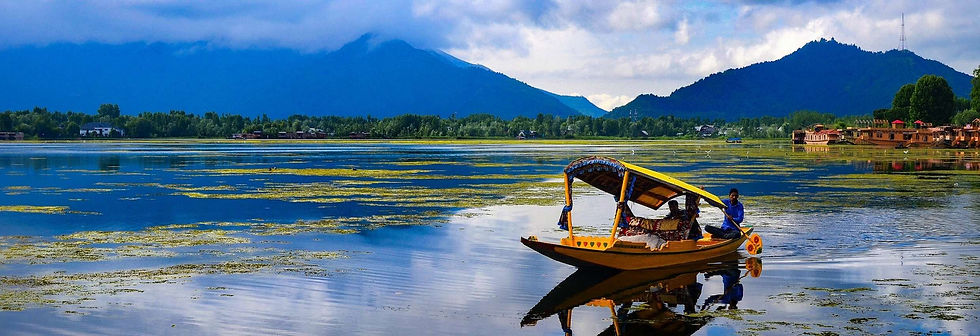
For some people, this is the best part. You can enjoy a shikara ride without feeling rushed. You can sit in a houseboat with a cup of Kahwa and look out over the water in peace. You can walk through a snowy landscape without hearing a crowd around you. The quieter environment allows you to connect more deeply with the valley.
Winter also gives you a different kind of service experience. Because there are fewer visitors, hotels and houseboats can often offer a more personal touch. Hosts have more time, and the atmosphere feels less commercial. For travelers who prefer intimacy over bustle, that difference matters.
If you enjoy traveling slowly and soaking in the mood of a place, Kashmir in winter is ideal. It is a season for reflection as much as sightseeing. The landscape invites you to pause, notice, and appreciate things that might be missed during a faster-paced holiday.
Better Value for Money
Another major reason to choose winter is affordability. Since this is the off-season for many travelers, hotel rates, houseboat prices, and tour packages can be lower than in spring or summer. That makes winter a smart choice for those who want a premium Kashmir experience without peak-season costs.
This does not mean the experience is inferior. In many ways, it is richer. You can stay in quality accommodation, enjoy beautiful surroundings, and still spend less than you might during the busiest months. For couples, families, and solo travelers on a budget, that can make a real difference.
The savings can also be used to upgrade part of the trip. For example, you might choose a better houseboat, add a guided excursion in Gulmarg, or enjoy more comfortable transport. In this sense, winter gives you flexibility. You can spend less overall while still making the trip feel special.
Of course, affordability should not be the only factor. The cold is real, and winter travel requires proper planning. But if you are willing to dress for the season, the value is excellent. For many travelers, this combination of beauty, peace, and lower cost makes winter one of the smartest times to visit Kashmir.
Dal Lake in Winter
Dal Lake is a major attraction in every season, but winter gives it a very different personality. The lake becomes quieter, colder, and more reflective. In especially cold spells, the water edges can freeze, and parts of the surface may look glazed with ice. The shikaras move more slowly, and the whole scene feels hushed and almost dreamlike.
A winter stay on Dal Lake is memorable because of the contrast. Inside the houseboat, you are warm and comfortable. Outside, the world may be covered in snow. That contrast creates a powerful sense of coziness. Sitting near a window with a hot drink while watching the snow fall over the lake is one of those travel moments people remember for years.
Winter also changes how you experience the lake’s surroundings. The floating vegetable market may be less active than in warmer months, but the lake’s stillness becomes part of the charm. Instead of activity and color, you get mood and atmosphere. That slower energy is exactly what some travelers are looking for.
If you want to feel the unique rhythm of Kashmir rather than just see its landmarks, a winter stay on Dal Lake is hard to beat. It is peaceful, beautiful, and deeply distinctive.
Food and Warmth
Winter is also the best season for Kashmiri food and drinks. The cold makes every warm cup of Kahwa feel more comforting. This saffron- and almond-infused tea is a classic Kashmir experience, and it tastes especially good on a cold morning or after time outdoors in the snow. It is not just a drink; it becomes part of the season itself.
Heavier local meals also feel more satisfying in winter. Wazwan dishes, slow-cooked meats, and rich traditional flavors are especially welcome when the temperature drops. The cuisine is designed, in many ways, for the climate. It gives warmth, energy, and a sense of seasonal comfort.
If you are staying in a houseboat or hotel with a traditional setup, winter may also introduce you to local heating practices like kangri, the traditional fire pot used to keep warm. This adds a cultural dimension to the trip. Kashmir in winter is not only about landscapes; it is also about how people live with and adapt to the season.
For many visitors, these small comforts become one of the strongest memories of the trip. The cold outside makes the warmth inside feel even better.
What to Pack
A winter trip to Kashmir needs the right packing list. The cold can be intense, especially in Gulmarg and other higher areas, so layering is essential. Thermal innerwear, woolen sweaters, insulated jackets, gloves, scarves, socks, and waterproof shoes are all important. If you plan to spend time in snow, waterproof outer layers matter even more.
It is also a good idea to bring lip balm, moisturizer, and other skin-care items because the cold air can be dry. Sunglasses can help too, especially in snowy areas where glare from the snow is strong. If you are sensitive to cold, hand warmers and extra socks can make a big difference.
Travelers should also be prepared for possible weather delays. Snowfall can affect roads and sightseeing plans, so some flexibility helps. Keep essentials in an easy-to-access bag, and make sure your phone, power bank, and important documents are protected from moisture.
If you prepare well, winter travel is very manageable. In fact, many visitors find that once they are properly dressed, the cold becomes part of the fun rather than a problem.
Ideal Travelers for Winter
Kashmir in winter is especially good for certain kinds of travelers. Snow lovers will obviously enjoy it, but so will couples looking for a romantic escape, photographers chasing dramatic landscapes, and travelers who prefer quiet over crowds. It is also excellent for repeat visitors who have already seen the valley in summer and want to experience a different side of it.
Families can enjoy winter too, especially if children are old enough to enjoy snow and outdoor activities. However, the season does require more careful planning because of the cold. If you are traveling with very young children or elderly family members, comfort and health considerations become especially important.
Solo travelers and friends’ groups often enjoy winter because it offers both adventure and atmosphere. You can ski, explore, take photos, eat well, and enjoy long conversations by the fire after a day in the snow. It is a season that rewards people who like experiences with character.
Why Winter Is Underrated
Winter is often called an underrated season in Kashmir because many travelers overlook it in favor of warmer months. That is understandable. Spring flowers and summer meadows are beautiful, and they are easier to imagine if you have never been to the valley before. But winter gives you something that other seasons cannot: dramatic stillness.
The valley feels stripped down to its essentials. Snow, wood, sky, and silence become the main elements. Without the usual crowds, the experience becomes more intimate. You see a different side of Kashmir, one that feels raw, serene, and unforgettable.
For people who want a travel memory that stands apart from the usual holiday experience, winter is a strong choice. It is not always the easiest season, but it is often the most rewarding.
Final Thoughts
If your idea of Kashmir includes snow, calm, scenery, and cozy winter moments, then December through February may be the perfect time to go. The valley becomes quieter, Gulmarg becomes a winter playground, Dal Lake becomes more atmospheric, and every cup of Kahwa tastes better in the cold. The experience is different from summer Kashmir, but in many ways it is even more magical.
Winter is not just a season in Kashmir. It is a mood. It is a different way of seeing the valley, one that slows everything down and makes the landscape feel deeply personal. For the right traveler, it may be the best version of Kashmir of all.
Planning your Kashmir trip?
Contact Cheshme Kashmir for customized tour packages, taxi services, hotel bookings, and local travel assistance.
Call/WhatsApp: +91 9419888444


Comments