Monsoon in Kashmir — What to Expect and What to Skip

Updated: Jun 1
While most of India experiences heavy, humid monsoon weather, Kashmir offers a very different rainy-season experience. July and August bring intermittent showers, drifting mist, emerald-green valleys, and a softer, more atmospheric version of the landscape. For travelers who enjoy lush scenery, cooler air, and fewer crowds, monsoon can be a rewarding time to visit. But it is also a season that requires smart planning and a realistic idea of what works best and what to avoid.
Kashmir during the monsoon is not about constant rainfall. Instead, you usually get short spells of rain, often followed by clear breaks where the clouds move dramatically across the mountains. This changing weather creates a cinematic feel that is hard to describe until you see it in person. Hills disappear into mist and then reappear. Rivers look fuller and livelier. Meadows become richly green. The whole valley feels fresh and alive.
For many visitors, this is the season when Kashmir feels especially natural and unpolished. There is a softness to the light, a coolness in the air, and a quietness that makes every moment feel slower. If you are someone who enjoys moody weather, lush landscapes, and a slightly offbeat travel experience, monsoon can be one of the most beautiful times to be in the valley.
What Monsoon Feels Like in Kashmir
Kashmir’s monsoon is gentler than the rains many travelers know from coastal or southern parts of India. Instead of long days of downpour, you are more likely to experience short, scattered showers. Sometimes it rains in the morning and clears in the afternoon. Sometimes clouds roll in without warning and wrap the valley in mist before drifting away again. That unpredictability is part of the charm.
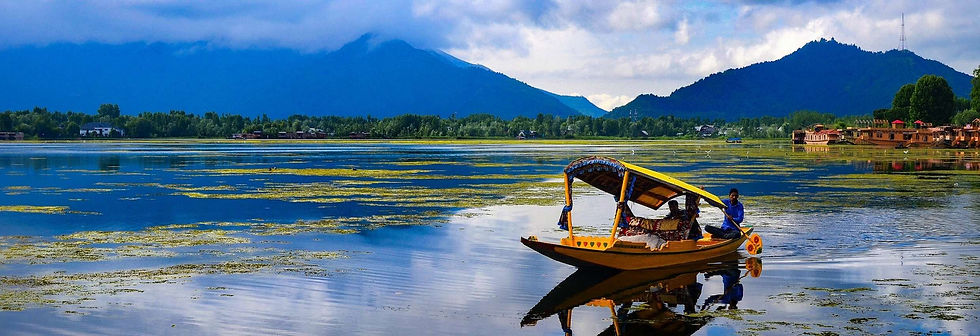
This changing weather can make the landscape look even more dramatic. A mountain road that seems ordinary in sunlight may become mysterious under low clouds. A shikara ride on Dal Lake can feel magical when the water is still and the fog hangs over the surface. Meadows that already look beautiful in summer become intensely green, almost glowing after the rain.
Because the weather changes so quickly, monsoon travel in Kashmir encourages a different rhythm. You stop trying to rush from one place to another and begin to enjoy the moments in between. A cup of tea in a houseboat while rain taps on the roof. A walk through Srinagar while the streets glisten after a shower. A valley drive where clouds open and close over the hills like curtains. These are the kinds of experiences monsoon gives you.
Why You Should Consider Visiting
One of the best reasons to visit Kashmir during monsoon is the greenery. The valley becomes incredibly lush. Meadows in Pahalgam, Sonamarg, and Yousmarg deepen into rich shades of green, and every tree, slope, and stream seems brighter after rain. If you love landscapes, this season can be especially rewarding.
Waterfalls and small mountain streams also become more active. Places that may look dry or still in another season can come alive with flowing water. The sound of moving water adds to the atmosphere, and many travelers find the combination of rain, mist, and greenery deeply refreshing.
Monsoon is also a great time for photography. The clouds create mood, the rain adds shine to roads and leaves, and the changing light makes the scenery feel more dramatic. If you enjoy capturing landscapes, clouds, reflections, or rain-washed streets, you may find the season visually exciting.
There is also the practical advantage of fewer tourists. Since many people choose to avoid the monsoon, the valley is often calmer. Attractions can feel less crowded, and you may have a more relaxed experience in places like Srinagar, Pahalgam, or on Dal Lake. For travelers who do not like busy sightseeing seasons, this can be a major plus.
What to Skip or Be Careful With
Monsoon in Kashmir is beautiful, but it does require caution. High-altitude treks and remote passes may become risky because of slippery trails, poor visibility, and occasional landslides. Roads to some less-accessible destinations can be affected by rain, so flexibility is important.
If you are planning routes to places like Sinthan Top, Gurez, or Lolab Valley, it is wise to stay updated on local conditions before leaving. Weather in the mountains can shift quickly, and a route that looks fine in the morning may become difficult later in the day. This does not mean you should avoid Kashmir entirely in monsoon. It simply means you should plan smarter.
River rafting is another activity that needs careful judgment during the rainy season. The Lidder River can rise sharply with rain, and stronger flow does not always mean safer conditions. Always rely on local advice and choose activities only when operators confirm that conditions are suitable.
In general, monsoon is best for scenic drives, relaxed sightseeing, lake visits, and easy walks rather than risky adventure plans. That shift in expectations makes the trip much more enjoyable.
Best Things to Do
Monsoon brings out a different side of Kashmir’s most famous experiences. A shikara ride on Dal Lake in the mist is one of the most atmospheric things you can do. The lake feels almost silent, the water reflects the grey sky, and the mountains fade in and out behind the cloud cover. It is calm, intimate, and beautiful in a quieter way than the postcard images of summer.
Pahalgam is another excellent monsoon destination. Its riverside walks, pine trees, and open meadows look especially fresh after rain. You may not always want to do long treks in the wet season, but simply spending time in the valley, watching the clouds move over the hills, can be enough. The river feels more alive, and the cool air makes the whole place pleasant even on humid days.
Srinagar’s old city also works well in monsoon. The carved wooden mosques, spice shops, narrow lanes, and busy markets continue regardless of the rain. In fact, the wet streets and the scent of rain mixed with wood, spices, and tea give the old city a very memorable character. If you enjoy culture and local life, this is one of the most interesting parts of Kashmir to explore in a rainy season.
A houseboat stay during monsoon can be especially enjoyable. You can sit inside while rain falls on Dal Lake outside, watch the changing weather, and enjoy a slower pace. It is one of those experiences that feels less like a checklist item and more like a memory.
Packing for the Rain
Packing well is essential for a monsoon trip. A light waterproof jacket is one of the most useful items you can carry. A compact umbrella is also helpful, especially for city sightseeing and short walks. Because weather can change suddenly, quick-dry clothing is better than heavy fabrics that remain damp for long periods.
Footwear matters too. Waterproof shoes or sandals that can handle wet conditions are a smart choice. If you plan to carry electronics, documents, or a camera, a dry bag or waterproof pouch can save you from trouble. It is also useful to keep a small towel or cloth in your day bag for wiping off moisture.
Layering is important because Kashmir evenings can still become cool, even in July and August. A trip that starts in light rain may end with a chill in the air after sunset. An extra sweater or hoodie can make things much more comfortable.
For outdoor travelers, insect repellent is also worth carrying, especially in greener areas. A little preparation makes monsoon travel much easier and lets you enjoy the scenery without dealing with avoidable discomfort.
Who Monsoon Suits Best
Monsoon in Kashmir is ideal for travelers who enjoy atmosphere more than perfect weather. If you love mist, green landscapes, light rain, and slower travel, this season can feel very special. It is also appealing to photographers, couples, and returning visitors who want to see a different side of the valley.
Budget travelers can benefit too, because prices are often lower than during peak summer. If you are looking for a more affordable Kashmir trip and do not mind a few weather-related adjustments, monsoon can offer excellent value. The key is flexibility.
This is not always the best season for travelers who want strict schedules, long adventure days, or guaranteed clear skies. But for those who are willing to adapt, monsoon reveals some of Kashmir’s softest and most romantic scenery.
A Slower Kind of Kashmir
Monsoon changes the pace of travel. You are less likely to race from one landmark to the next. Instead, you sit with the weather, observe the clouds, and notice the small details that can be missed in busier seasons. This slower pace suits Kashmir particularly well because the valley itself feels like a place that asks you to pause.
There is something deeply soothing about watching rain fall over the water from a houseboat or hearing it soften the sounds of a market street. Kashmir in monsoon is not the dramatic snow of winter or the bright blossom of spring. It is gentler, greener, and more introspective. That makes it memorable in a different way.
Final Thoughts
Monsoon in Kashmir is not the obvious choice, but it can be one of the most rewarding. The valley becomes lush, misty, and quiet. The landscapes deepen in color, the crowds thin out, and the mood shifts toward calm and reflection. As long as you plan carefully and avoid risky routes or activities, this season can offer a beautiful and deeply atmospheric travel experience.
If winter is Kashmir’s dramatic face and spring is its colorful face, monsoon is its quiet, moody face. It is perfect for travelers who want something softer, greener, and a little less expected. For the right kind of visitor, it can be unforgettable.
Planning your Kashmir trip?
Contact Cheshme Kashmir for customized tour packages, taxi services, hotel bookings, and local travel assistance.
Call/WhatsApp: +91 9419888444


Comments